Ribbon Letters: A Creative Font for Elegant Brand Identity
Running a small business means wearing many hats. You are the CEO, the marketing director, the customer service rep, and often the graphic designer too. When you are managing everything from inventory to Instagram posts, having design tools that work as hard as you do is essential. This is where choosing the right Decorative Fonts can make a massive difference in how your brand is perceived. One typeface that has become a staple in my toolkit for creating sophisticated, approachable branding is Ribbon Letters.
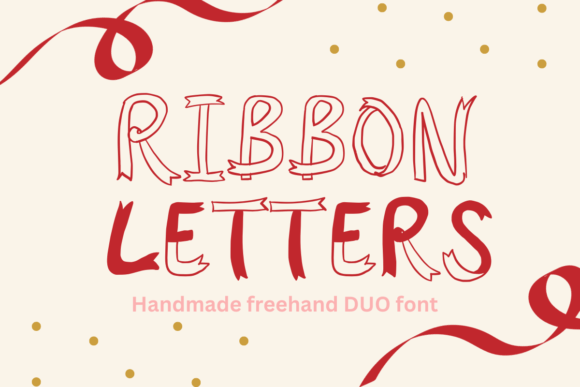
Ribbon Letters is not just another script font; it is a charming and decorative font that transforms standard text into elegant ribbons of creativity. Each letter is beautifully crafted with flowing ribbons, adding a touch of sophistication that feels both handmade and polished. For entrepreneurs looking to elevate their visual presence without hiring an expensive agency, this creative font offers a practical solution for building a cohesive and trustworthy brand identity across all touchpoints.
The Personality Behind Ribbon Letters
Before diving into applications, it helps to understand the mood this typeface conveys. Ribbon Letters sits comfortably between a modern typography style and a classic handwritten font. It has a soft, inviting energy that suggests care, attention to detail, and personal touch. Unlike rigid block letters or overly complex calligraphy that can be difficult to read, Ribbon Letters strikes a balance. It feels luxurious but accessible, making it ideal for businesses that want to appear premium yet friendly.
When potential customers see your logo or packaging, they form an impression in seconds. A clean, well-chosen typeface signals professionalism. If your font looks messy or generic, it can inadvertently suggest that your product quality might be the same. By using Ribbon Letters, you are signaling that you value aesthetics and craftsmanship. This subtle cue builds trust, which is the currency of any successful small business.
Real-World Applications for Small Businesses
The versatility of Ribbon Letters allows it to shine across various aspects of your business operations. Here is how I have integrated this premium font into everyday materials:
- Logo Design and Branding: For boutique owners, café owners, or handmade product sellers, the logo is the face of the business. Using Ribbon Letters as a display font for a logo adds immediate character. Imagine a bakery logo where "Sweet Treats" flows like a ribbon, instantly communicating sweetness and elegance.
- Packaging Design and Product Labels: In the world of e-commerce and online sellers, unboxing is part of the experience. Applying Ribbon Letters to product labels, stickers, or tags elevates the perceived value of your item. Whether you are selling handmade candles, beauty products, or jewelry, the flowing lines of the letters complement the physical texture of high-quality packaging materials.
- Social Media Graphics: Consistency is key on platforms like Instagram and Pinterest. Using Ribbon Letters for headlines in your social media graphics creates a recognizable pattern. When followers scroll through their feed, your posts stand out because the typography feels distinctively yours. It works beautifully for quote cards, promotional announcements, or event flyers.
- Digital Ads and Website Banners: On your website, Ribbon Letters can serve as an accent font for hero banners or special offer sections. It draws the eye without overwhelming the user interface. However, it is crucial to use it strategically here—see the readability section below.
- Customer-Facing Materials: Thank-you cards included in shipments, business cards, or even menu designs for service providers can benefit from this font. A thank-you note written in Ribbon Letters feels more personal and heartfelt than a standard printout, fostering loyalty and encouraging repeat purchases.
Readability and Strategic Placement
While Ribbon Letters is visually stunning, it is primarily a display font. This means it is designed to be seen at larger sizes, not necessarily read in long paragraphs. As a business owner, you must prioritize clarity. Using this font for body text on mobile screens or small product labels can frustrate customers who struggle to decipher the message.
To maintain a professional look, reserve Ribbon Letters for headlines, titles, short phrases, and logos. For supporting text, such as descriptions, pricing, or contact information, pair it with a clean, highly readable font. This contrast ensures that your brand looks stylish without sacrificing usability. Remember, if a customer cannot read your price or location, no amount of beautiful design will help your bottom line.
Effective Font Pairing Strategies
One of the most common mistakes new entrepreneurs make is overusing a single font. To create a balanced brand identity, you need harmony between different typefaces. Ribbon Letters pairs exceptionally well with minimalist sans serif fonts. The simplicity of a clean sans serif font grounds the elegance of Ribbon Letters, preventing the design from becoming too busy or "fussy."
For example, if you are designing a flyer for a coaching business, use Ribbon Letters for the main headline ("Transform Your Life") and a simple sans serif font for the bullet points detailing your services. Alternatively, pairing it with a classic serif font can add a layer of traditional authority, which might suit a law firm, a vintage clothing store, or a high-end interior design service. The key is to let one font take the lead while the other supports it.
Testing Before Committing
Before finalizing your brand assets, always test Ribbon Letters in real-world contexts. View your designs on actual mobile devices, print them out on the material you plan to use (such as kraft paper or glossy cardstock), and check them from a distance. Colors, lighting, and medium can significantly alter how the flowing ribbons of the letters appear. What looks great on a bright computer screen might lose its definition when printed in black ink on dark brown packaging. Iteration is part of the process, and testing saves money by avoiding costly reprints.
Commercial Licensing and Professionalism
Finally, a critical step for any entrepreneur is understanding licensing. Just because you found a font online does not mean you can use it freely for commercial purposes. Always check the commercial font license for Ribbon Letters. Most premium fonts require a specific license for use on merchandise, packaging, templates, and client work. Failing to secure the proper license can lead to legal issues and financial penalties, which can derail a growing business.
Investing in a legitimate license is part of running a professional operation. It protects your business and respects the creative work of the type designer. Once you have secured the rights, you can confidently integrate Ribbon Letters into your design assets, knowing that your branding is both legally sound and visually compelling.
In conclusion, Ribbon Letters is more than just a pretty set of characters; it is a strategic tool for small business owners. By using it thoughtfully in logos, packaging, and digital content, you can create a consistent, memorable, and trustworthy brand image. Take the time to explore how this decorative font fits your unique voice, and watch as your business begins to reflect the quality and care you put into every product and service.